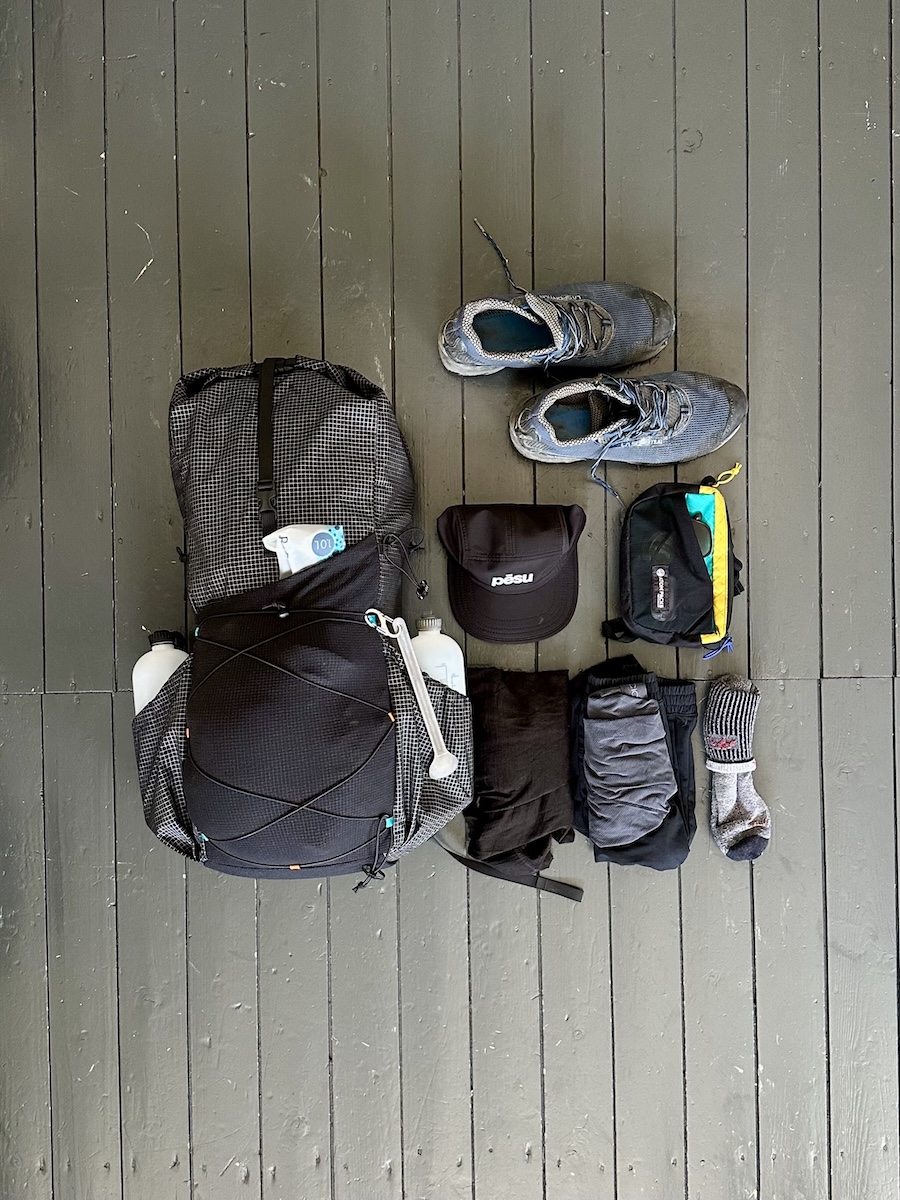
This is my summer backpacking gear list. The kind of backpacking checklist for when temps won’t drop below 10c | 50f degrees. For the east coast of the US, and lower elevation areas out west. This list is for beginners to intermediate hikers looking to plan a shorter (2-4 night) trip from late spring to early fall. One that I assure you will help you reduce weight from your summer backpacking gear without completely blowing your budget.
I’ve been doing this backpacking thing for a long time now. I consider myself a hiker first and a camper second. Meaning my hiking comfort and pack weight are my priority as I enjoy covering 15+ miles per day.
Nearly 15 years and over 8,000 miles hiked. This is what I’ve learned and what I pack as my warm weather hiking gear.
1. Hiking
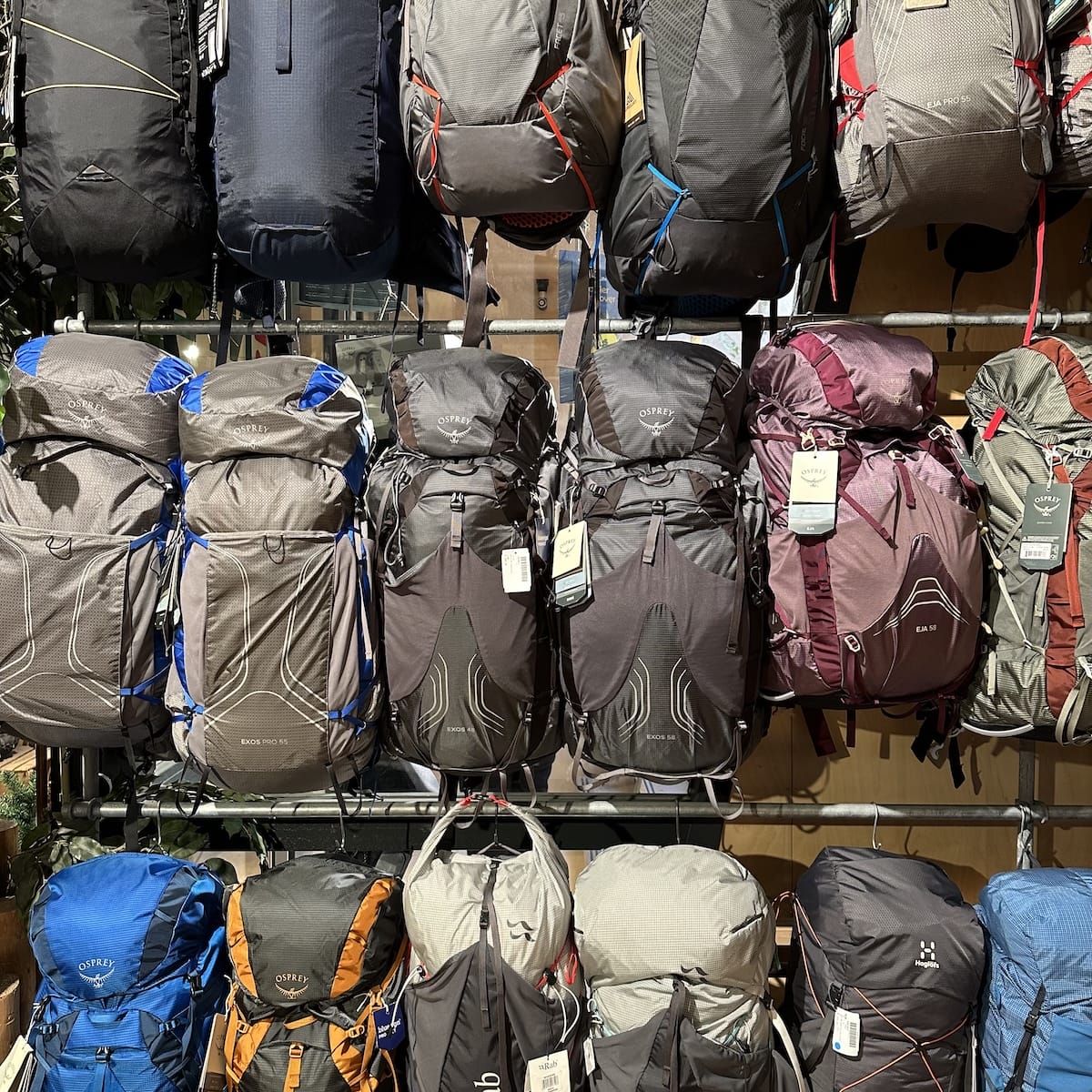
– Backpack 40 – 50 liter – The Osprey Exos 48 is the perfect balance for comfort and summer backpacking. Not too large but still plenty of room for the essentials and carries a sub 30lb load well.
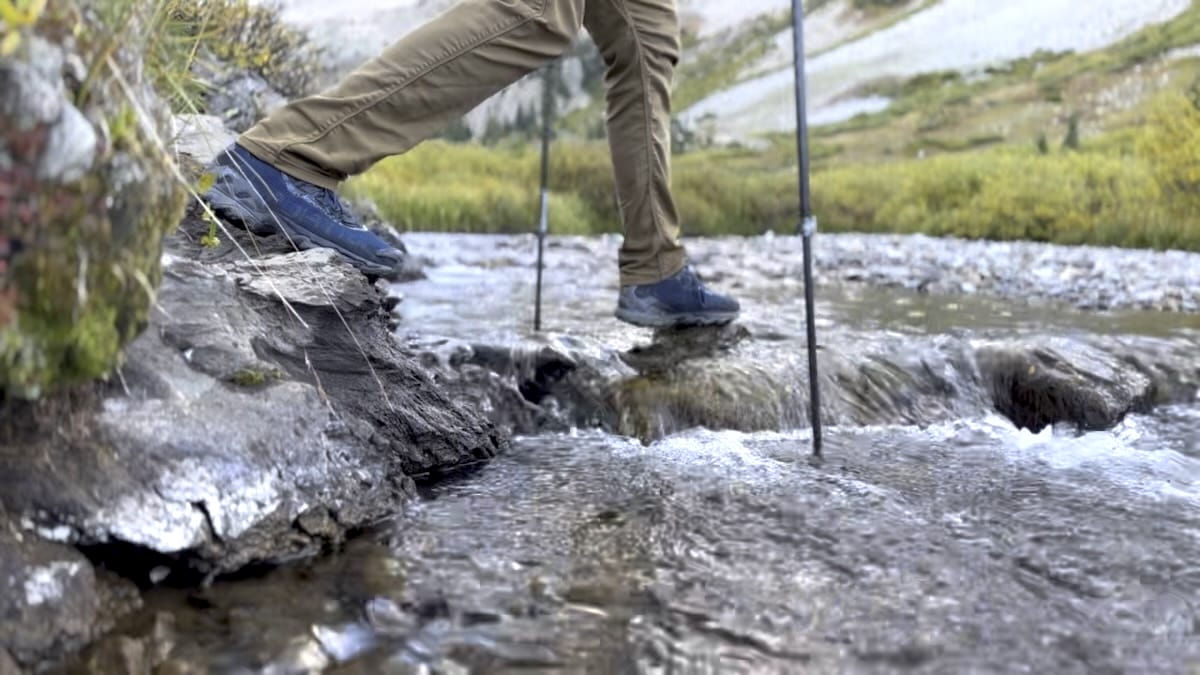
– Trekking Poles – some people use them, some people don’t. If you need help deciding what you need you can check out my post here.
2. Footwear
- Trail runners – Ones that fit you well. Everybody’s foot is different.
3. Sleep System
- Sleeping bag – 40 degree down sleeping bag. Down compresses better but a synthetic bag will work as well.
- Sleeping pad – I prefer inflatable pads but closed cell foam are good too. R value isn’t as important for the summer months.
- Pillow – inflatable pillow or clothes bag.
4. Shelter
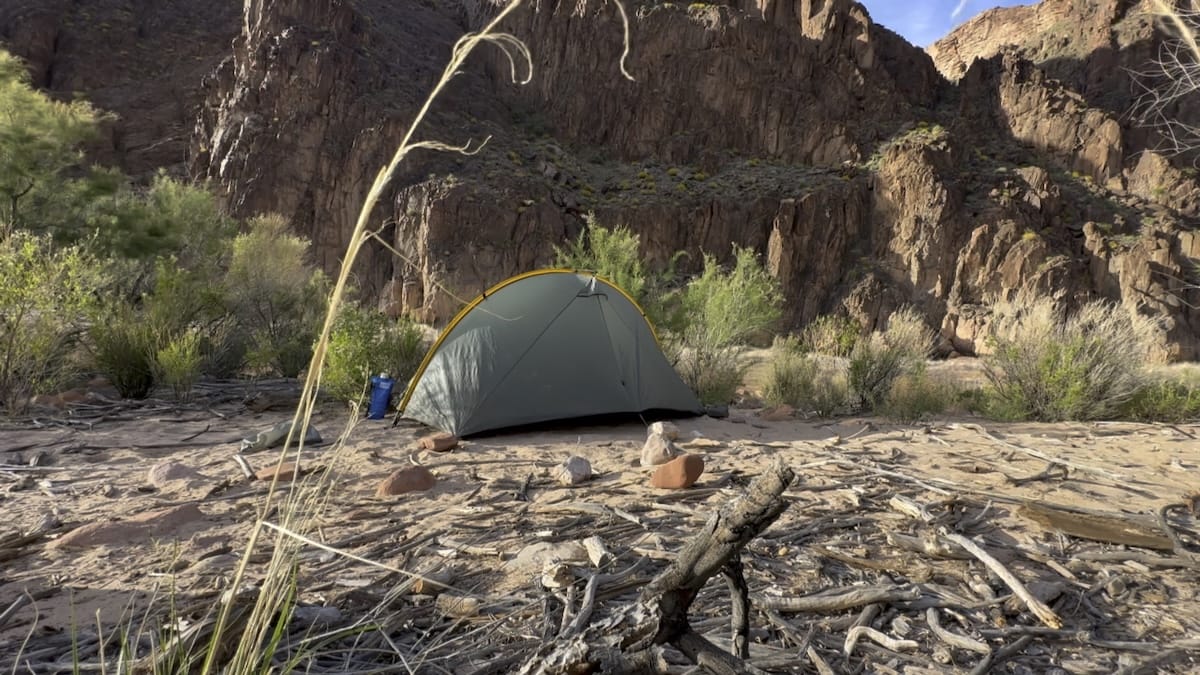
- Tent – I use a lightweight single person tent as I’m mostly solo.
5. Clothing
-
Daytime Hiking Clothes
- Short Sleeve Shirt – Lightweight synthetic / thin wool
- Running Shorts – 5” or 7”
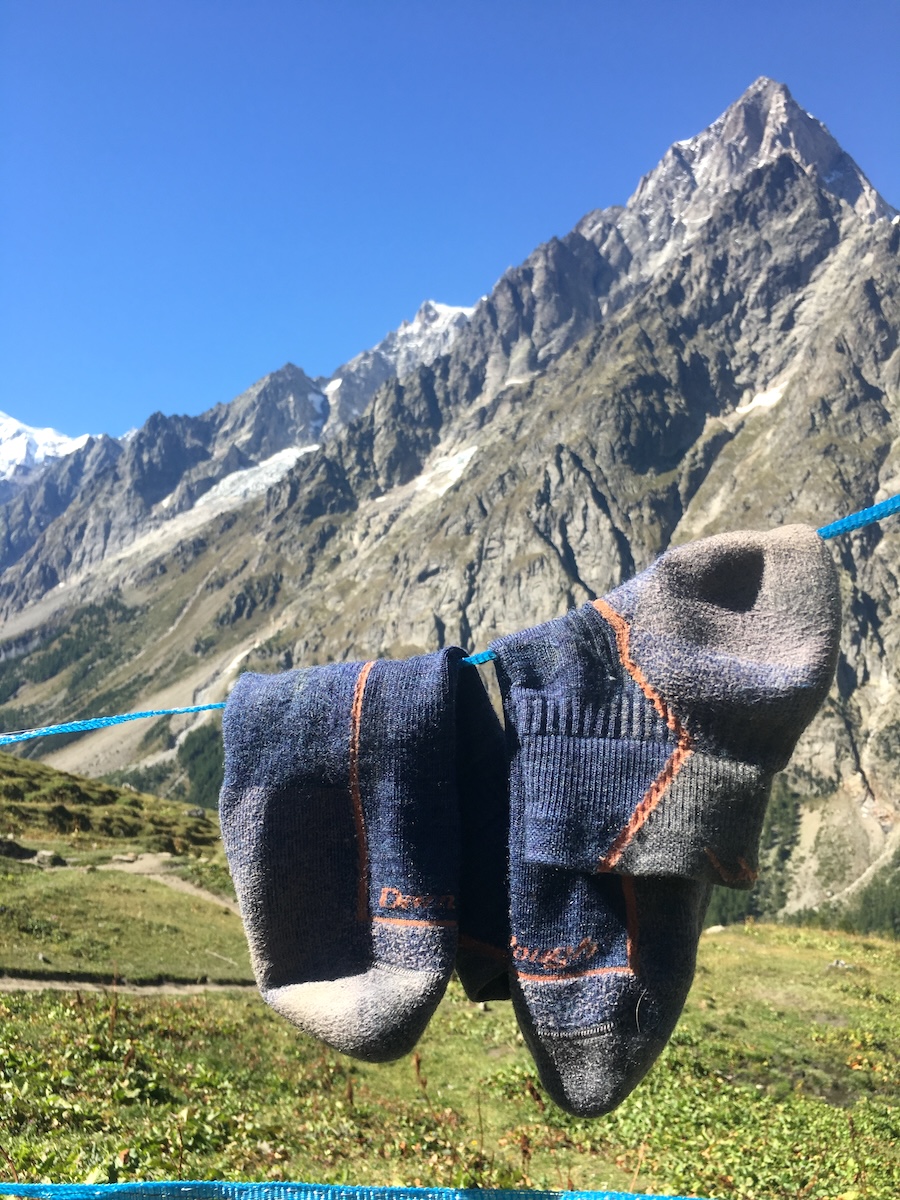
- Socks – 2 for hiking
- Hat – I prefer a runners hat as they are small, breathable and lightweight
- Sunglasses
-
Insulation Layer (for chilly mornings / nights) – OPTIONAL depends on where you are hiking.
- Down jacket (Optional) – I love my Ghost Whisperer but you could also bring a fleece or other cheaper down jacket.
-
Sleep Clothes
- Lightweight long underwear – can double for camp wear or for cold mornings.
- Lightweight long sleeve top – see above.
- Socks – 1 pair for sleeping
-
Rain Gear
- Rain jacket – also helps in windy conditions.
6. Cooking & Food Storage
- Stove + fuel
- Food – 2 lbs per day
- Pot – 700ml is perfect for solo hikers
- Long handled spoon
- Bear canister or food bag + hang system
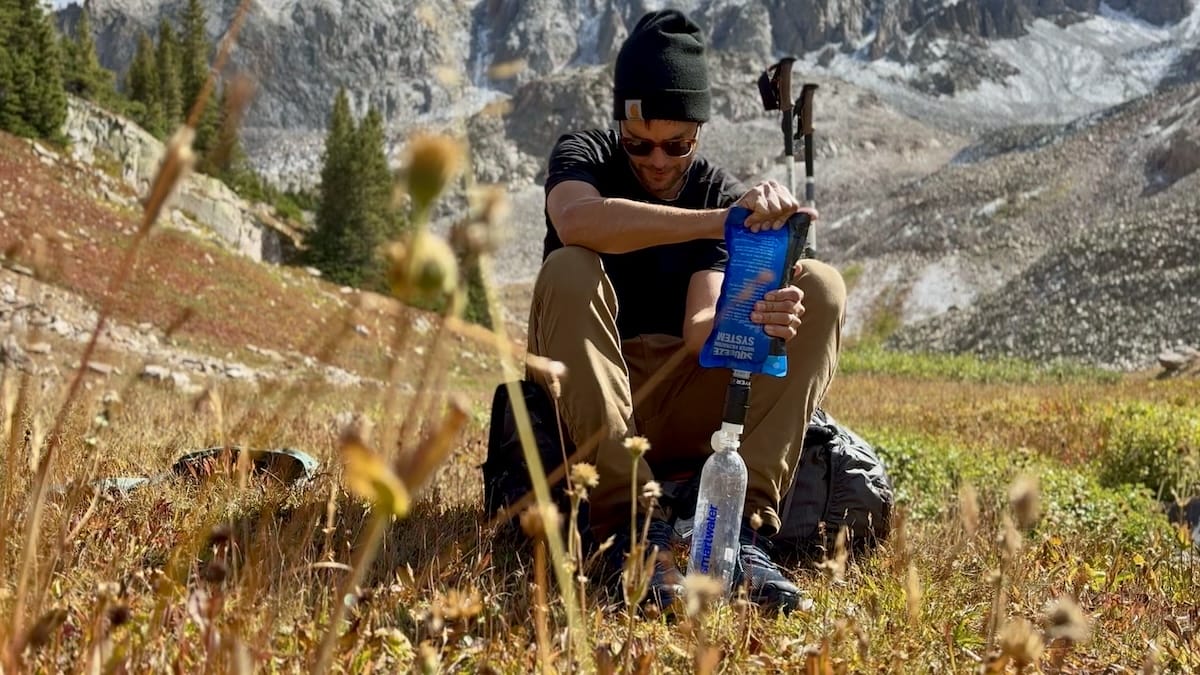
- Water filter – Sawyer Squeeze
- Water bottles – 2 – 4 smart water bottles depending on location and water accessibility
7. First Aid & Repair Kit
- Duct tape – wrapped around trekking poles
- Pain killers – 8 Tylenol
- Antacids – 4 Tums
8. Hygiene
- Toothbrush – travel size
- Toothpaste – travel size
- Lip balm
- Toilet paper – 10ish sheets per day in a zip lock bag
- Wet wipes – 4 per day in a zip lock bag
- Sanitizer – travel size
- Small Trowel – I like the Duece of Spades
- Bandana – Wipe face / dry sweat / sponge bath
9. Electronics & Navigation
- Headlamp
- Extra batteries – headlamp
- Phone
- Phone charger
- Power bank – I currently have a 10,000mah but I record and take a lot of photos. Depending on your phone usage and length of trip you could do without one or get a smaller one.
- Maps – Alltrails maps downloaded
- Watch – Garmin GPS
- Dry bag – for electronics
10. Other
- Dry Bag – 15L for clothes
- Dry Bag – Sleeping Bag
- Ziplock bags – Gallon size work well for garbage bags. Smaller ones are useful for organizing things.
- Lighter
- Permits – if required
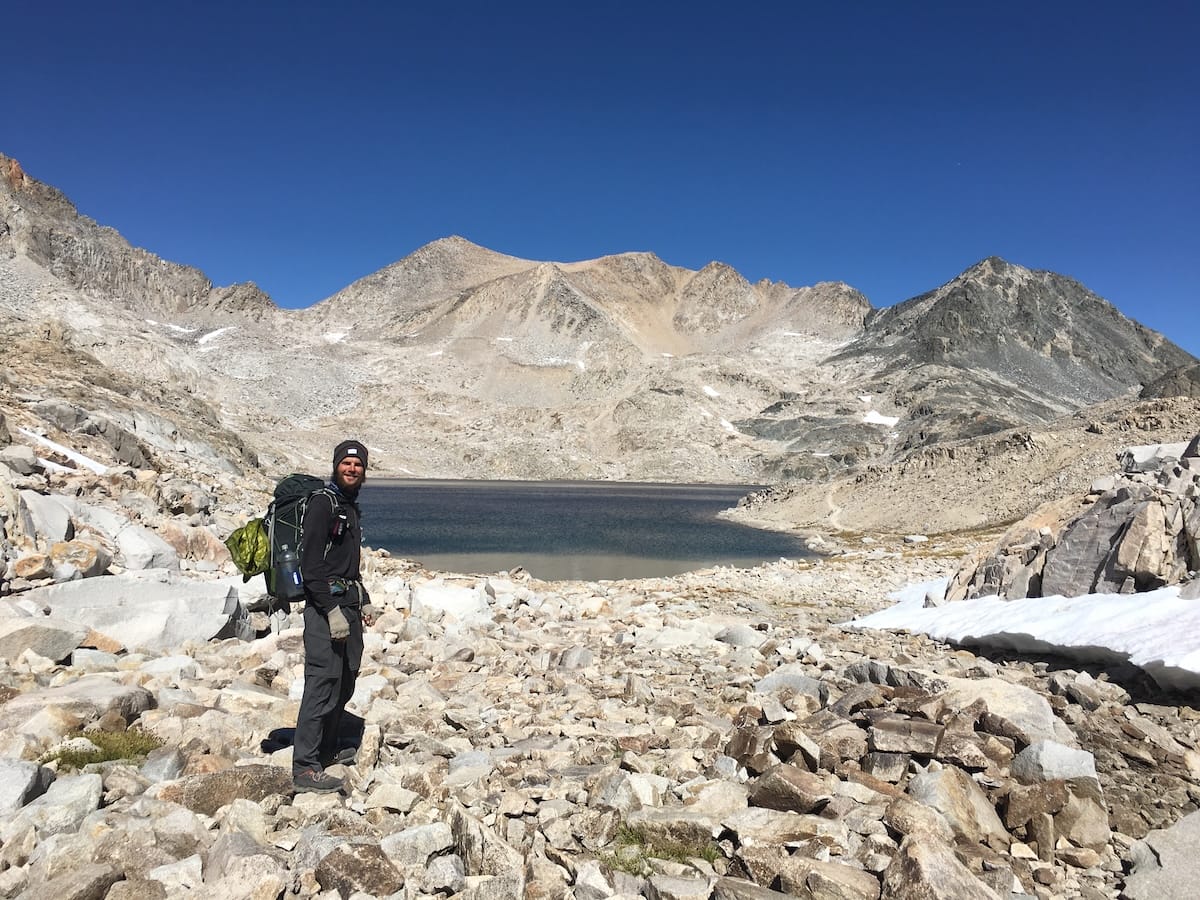
Don’t Overpack
In my experience, I’ve noticed that most people will pack too many clothes and too much food. I’ve also seen people pack items that are completely unnecessary. I made a fun list of what not to pack here like machetes, hatchets, deodorant, chairs, etc.
Food Advice
The rule of thumb of 2lbs of food per day has proven to be an excellent base line goal for me. Be sure you count your meals pre and post hike. For example if you are doing a 2 night hike over 3 days, you can likely go with 2 breakfasts, 2/3 lunches and 2 dinners along with bars and snacks throughout the day. A lot of times my last day is 3 ish bars to help me make it back to the car. Lets be honest, in case of an emergency you could survive a few days without food and as a beginner or even intermediate backpacker you likely aren’t hiking in places extremely isolated.
Clothes
For clothes, I plan on being a little stinky by the end of the trip. For backpacking trips you won’t need a new change of clothes each day. I usually go with one set for hiking and one set for sleeping. The sleeping set is a long base layer top and bottom and can double as extra insulation if needed at night or in the morning. I like to bring 3 sets of socks. One to sleep in and two sets for hiking to rotate out. When I have a chance I’ll rinse the dirty pair in a river and then hang them on my pack to dry throughout the day. They are usually ready to go the next day.
Closing Thoughts
That’s my gear list for summer backpacking trips where the climate is mostly warm. Depending on your budget this list should get to you a base weight (not including items consumed or worn) around 14lb. By following the 2 lbs of food per day rule you should be around 20 – 22 lbs. I’d encourage you to take this as a starting point and make it your own.
For more specific gear recommendations you can check out my gear pages or if you are looking for gear list for specific climates like the Grand Canyon, Colorado or the Dolomites you can check out my gear list page.
Related Articles

This is my summer backpacking gear list. The kind of backpacking checklist for when temps won’t drop below 10c | 50f degrees. For the east coast of the ...
Through thousands of miles on trail, I've learned what works and what doesn't when it comes to hiker foot care. Blisters, hot spots, and black toe nails ...

I’ve been using trekking poles for a number of years including on 3 long trails and numerous “shorter” hikes. The Black Diamond Alpine Cork Trekking Poles in particular have ...

In 2009, my girlfriend gifted me the REI Flash backpack, which after a test run in the Linville Gorge Wilderness, just didn't feel quite right. I discovered it was ...
Have you ever noticed that the vast majority of long distance hikers use a very specific tall, skinny water bottle with a blue label on the side? ...

The best way to stay hiker fit is to hike, but that’s not always possible. A lot of us have full time jobs, school, children, or don’t live ...