Tarptent Rainbow Li Review
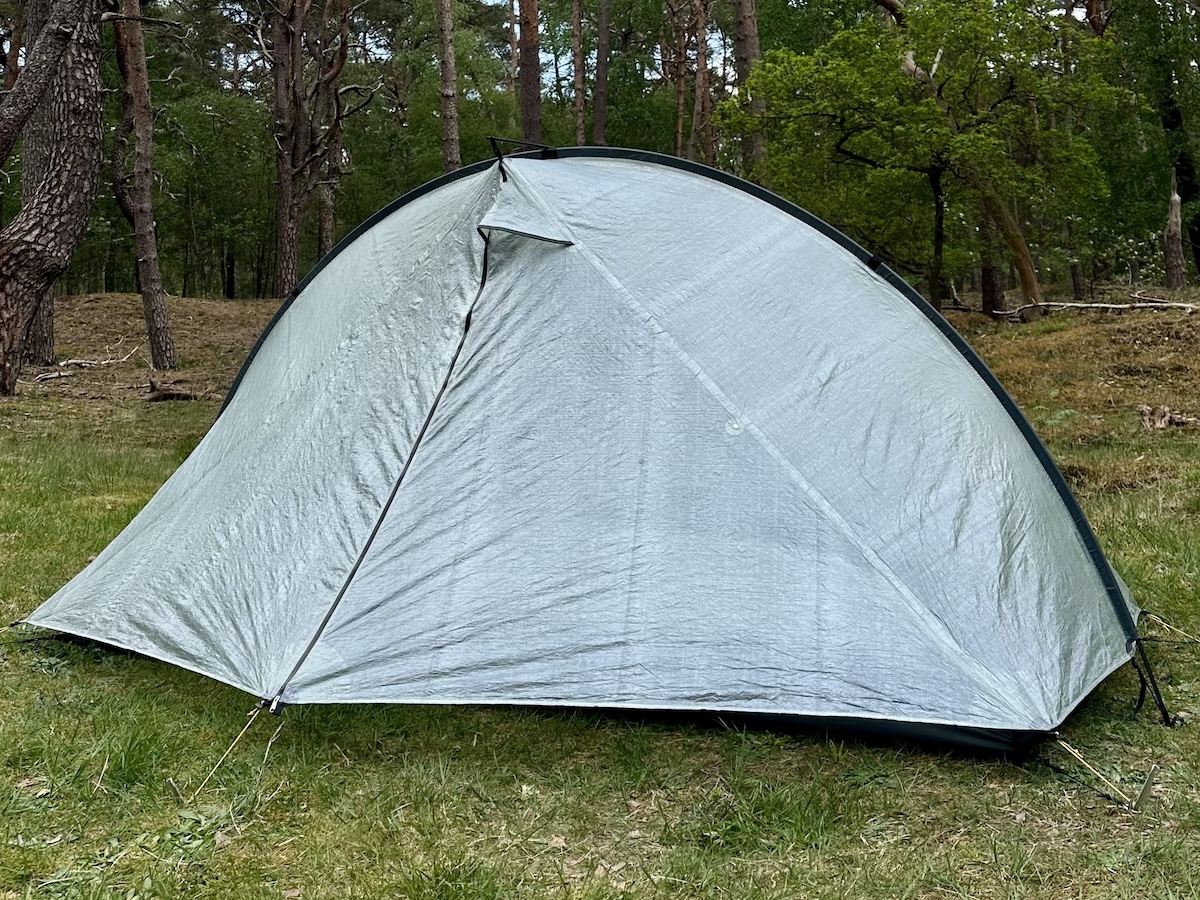
Specs
Price: $624
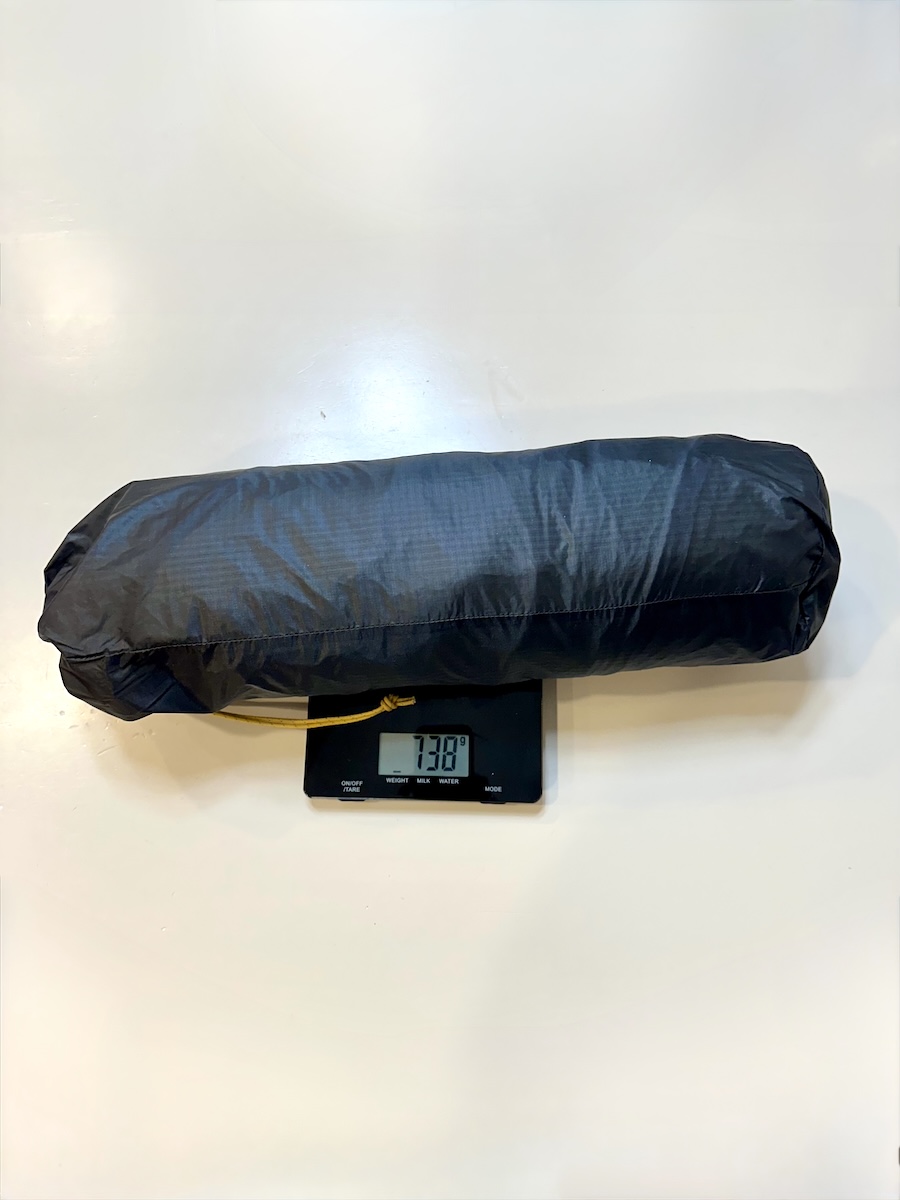
Weight: 736g total (490g DCF canopy, silnylon floor with bag, 103g carbon pole, 20g carbon strut, 85g 6 stakes with bag)
Capacity: 1 person
Fits hikers up to: 6’6″ / 198cm
Floor Dimensions: L 88 in / 224 cm W 36 in / 91 cm H 42 in / 107 cm
Material: Fly DCF 0.55, Floor 15D quadruple ripstop silnylon, 15D nylon no-see-um mesh
Specs
Price: $624
Weight: 736g total (490g DCF canopy, silnylon floor with bag, 103g carbon pole, 20g carbon strut, 85g 6 stakes with bag)
Capacity: 1 person
Fits hikers up to: 6’6″ / 198cm
Floor Dimensions: L 88 in / 224 cm W 36 in / 91 cm H 42 in / 107 cm
Material: Fly DCF 0.55, Floor 15D quadruple ripstop silnylon, 15D nylon no-see-um mesh
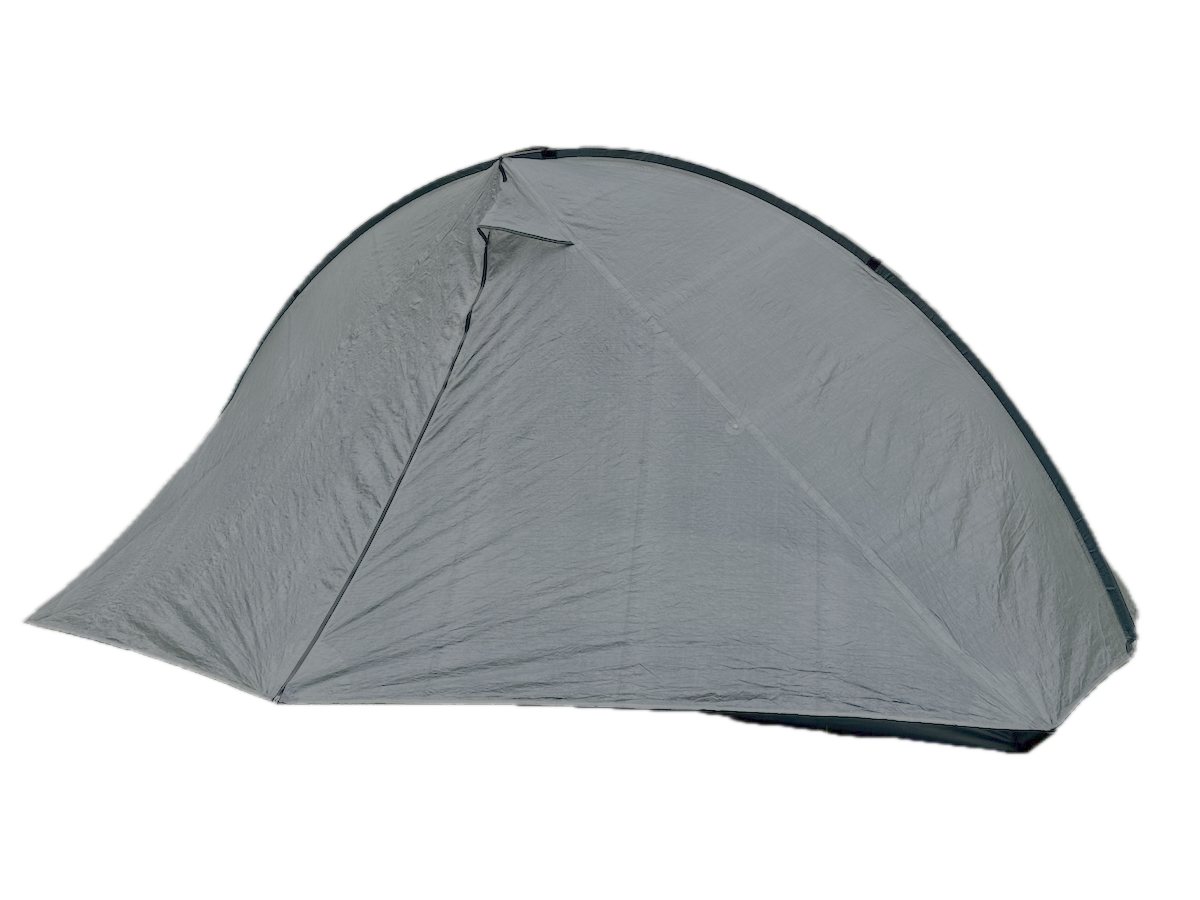
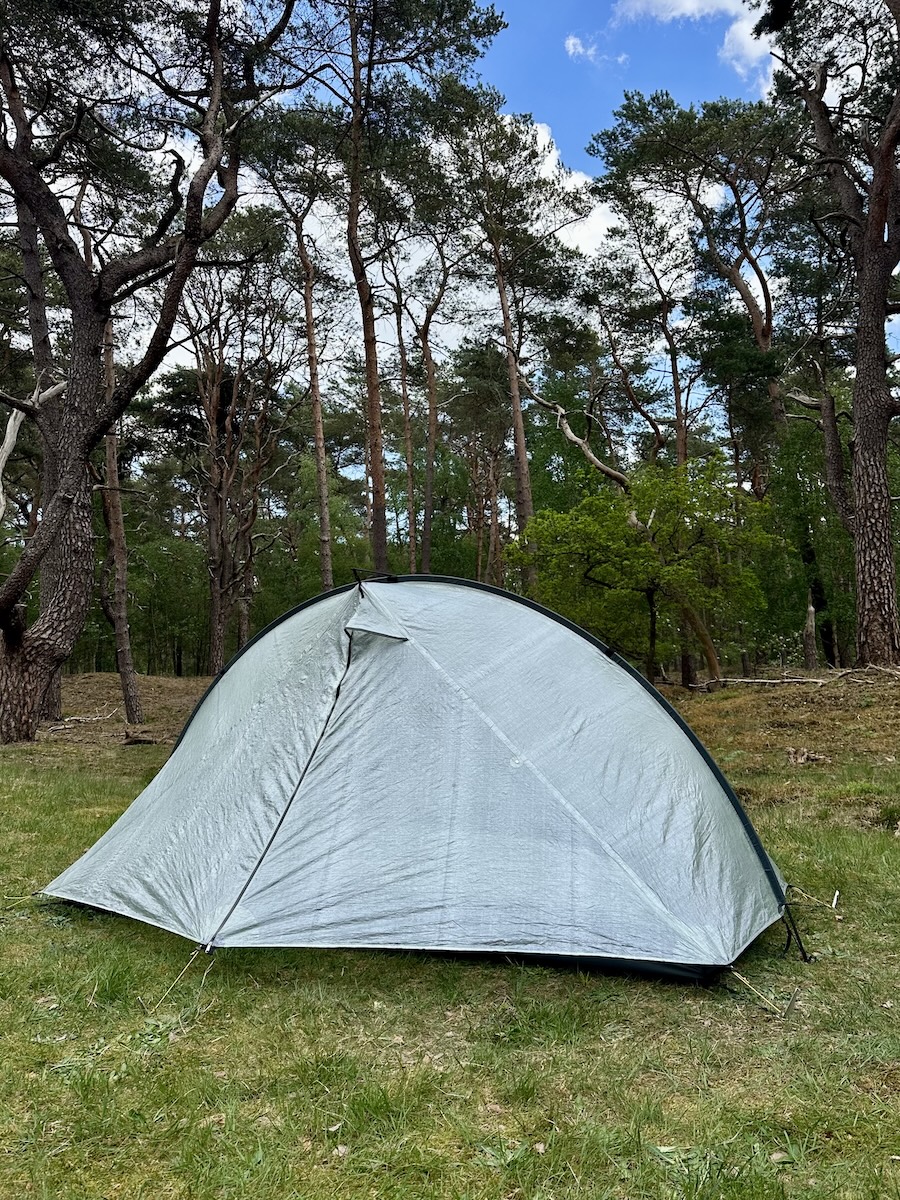
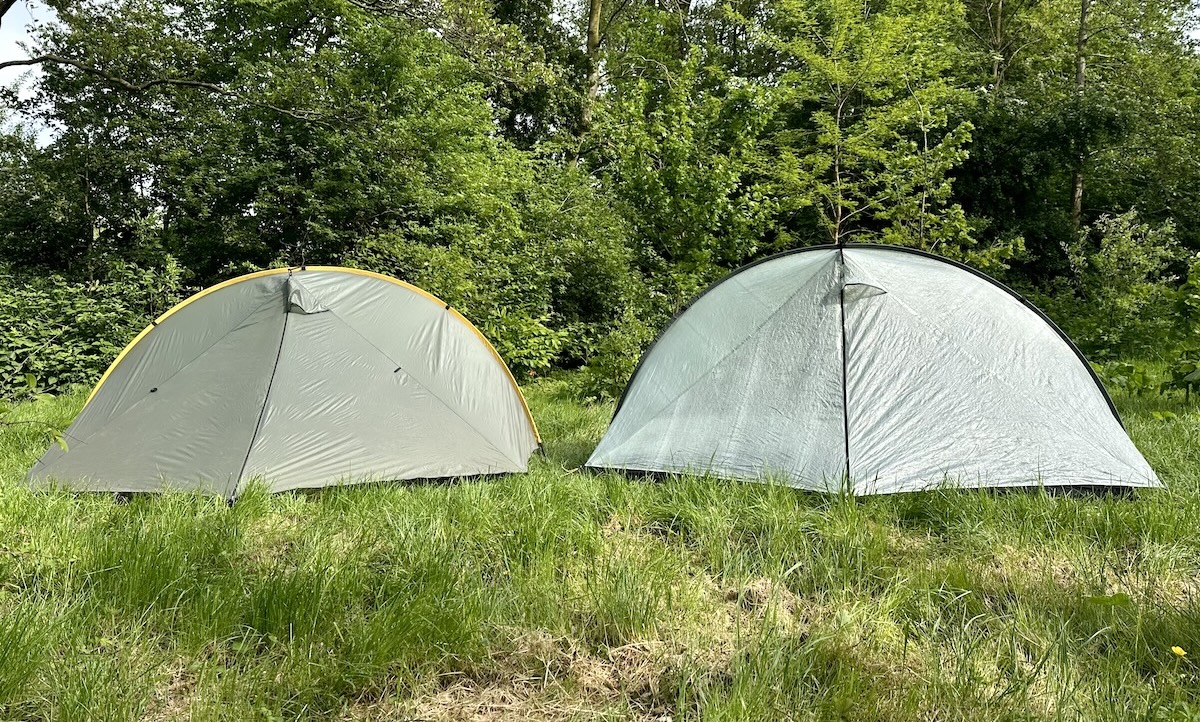
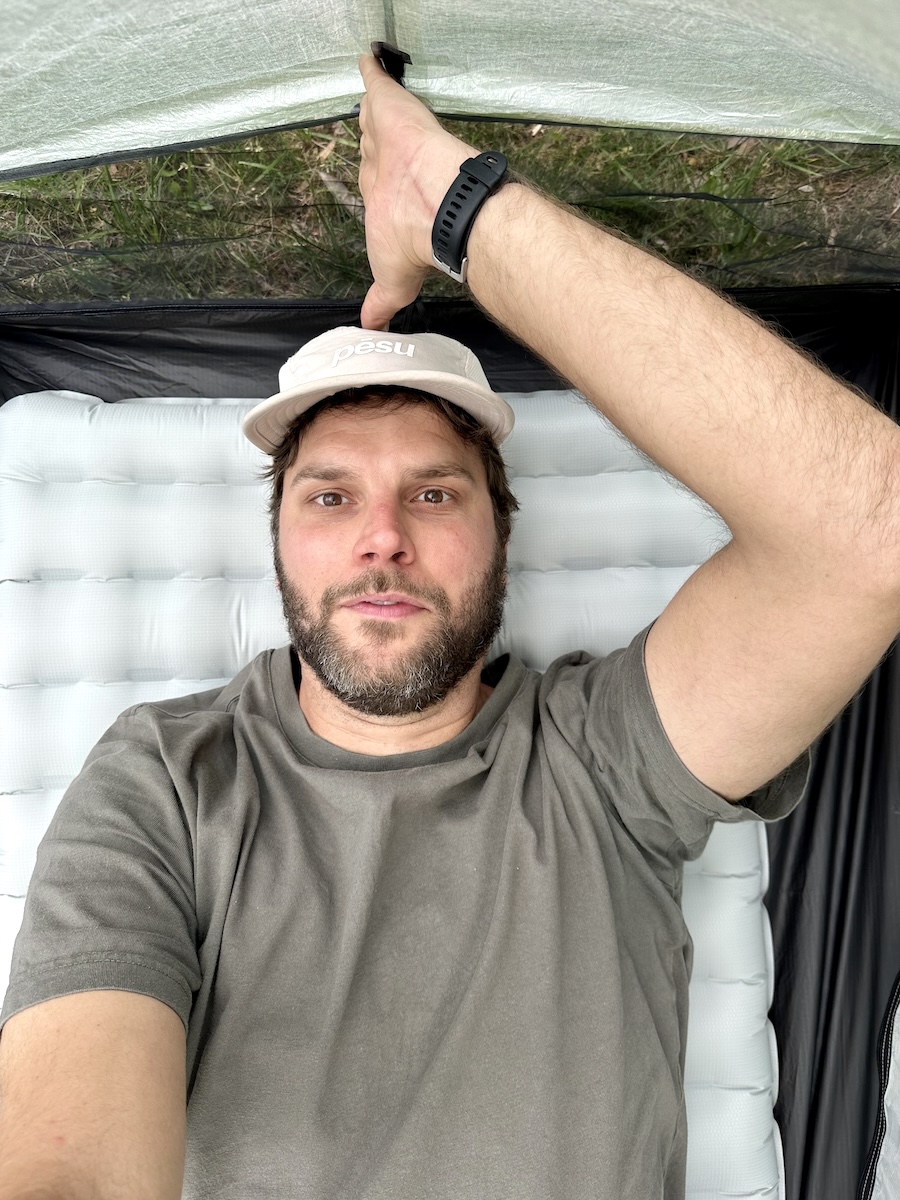
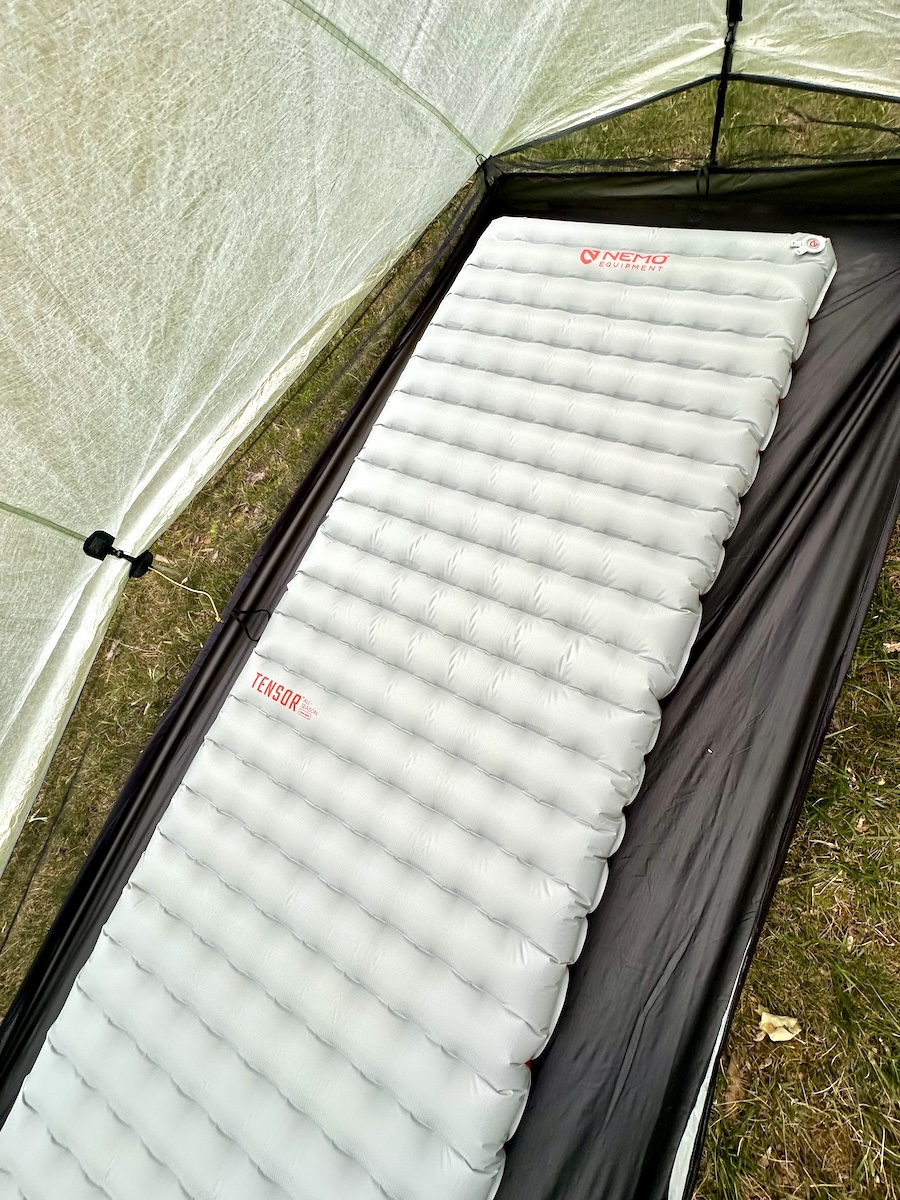
The Tarptent Rainbow Lithium is one of the best ultralight tents for tall hikers. At 195cm (6’5”), I’ve slept comfortably in the Tarptent Rainbow series for well over a year of my life. Recently, I upgraded to the DCF Lithium version and was able to shave off an additional 360g (12.8oz) from my 2019 polysil version. Below, I’ll go over the features, why I decided to upgrade, what I love about it, a couple of things I would have changed, who the Tarptent Rainbow Li is for, and whether or not I would buy it again.
Why I purchased the Tarptent Rainbow Li
Over the first few months of 2026 I’ve been upgrading my gear as some of it is quite worn out and lighter options are now available. I switched to the Hyberg Bandit 30L Aluula pack, updated my sleeping pad, stove, headlamp and even water bottles. All of these changes have made a noticeable dent in my base weight. The tent was the last big thing to change as my Zpacks 20 sleeping bag is still holding on albeit with numerous duct tape patches.
I again began to research in depth all of my options, even emailing some of the manufacturers and checking a lot of YouTube videos. Of the prominent ultralight tents including the Zpacks Altaplex and Durston X-Mid Pro 1, I felt zero confidence that they were going to work for me. Being tall has its drawbacks and if I really wanted to get into the 400g range, I would most certainly be sacrificing space or comfort as these tents are not designed for tall hikers. Furthermore, I’d have to start carrying trekking poles again which is something that I’ve moved away from the past couple of years, only carrying them when needed.
It was time for me not to update my tent but rather upgrade my all time favorite tent with the new much lighter DCF version.
Features
The Tarptent Rainbow Li includes a lot of the typical features you’d find in similar tents while also a couple of unique ones.
The iconic Rainbow shape is achieved with the single ridge pole that gives the tent its shape while a shorter cross strut adds width to the ceiling. The main advantage of this arch is huge internal space and loads of head and foot room. The ends of the Rainbow begin from the ground at a nearly 90 degree angle before the curve starts to move inwards. This keeps the tent off the user’s face and feet while proving stable in high winds and snow loads.
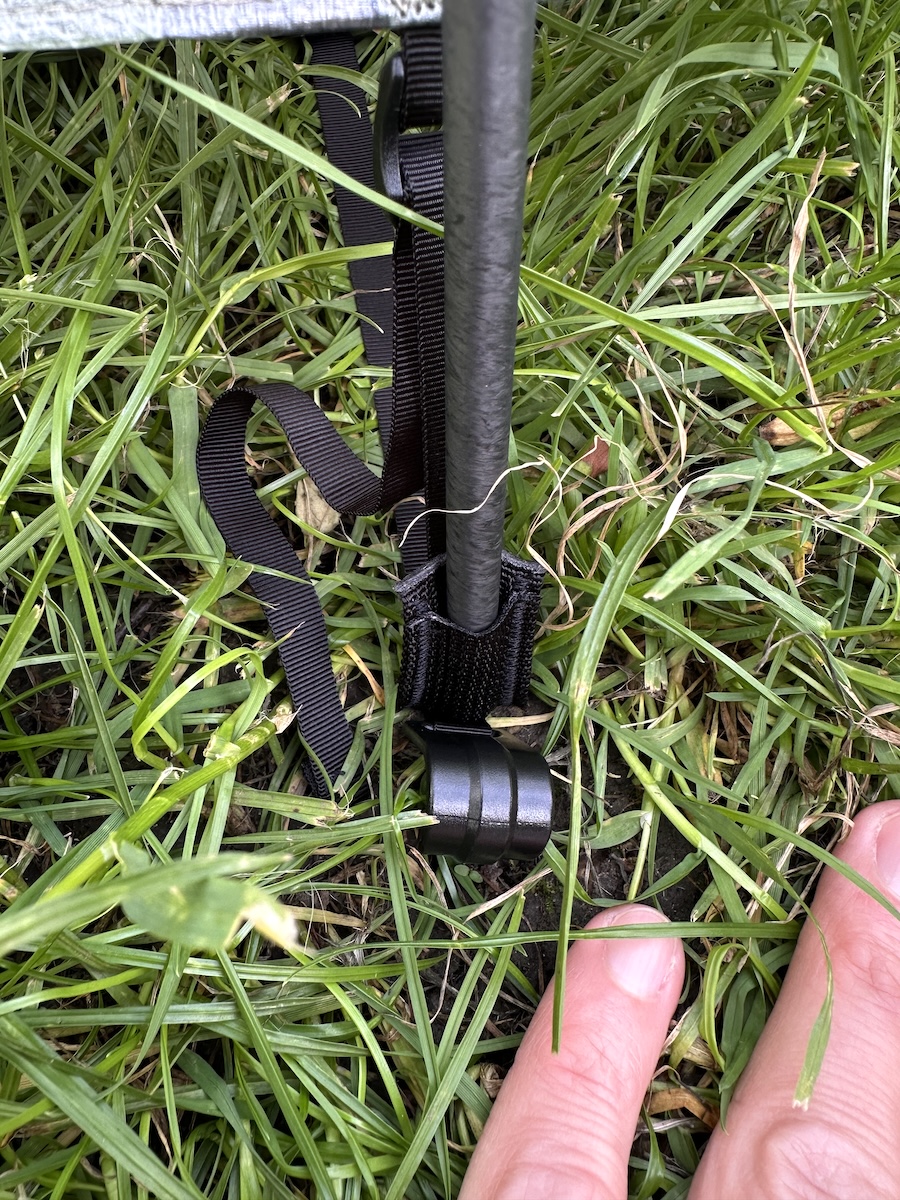
The Rainbow is a semi free standing tent that in most instances will be pitched without trekking poles. For areas where you may not be able to drive stakes into the ground, Tarptent has given users the option to use trekking poles in order to make it fully free standing. The poles are laid on both ends, flat on the ground, attached to the guy lines which pulls the four corners of the tent outward.
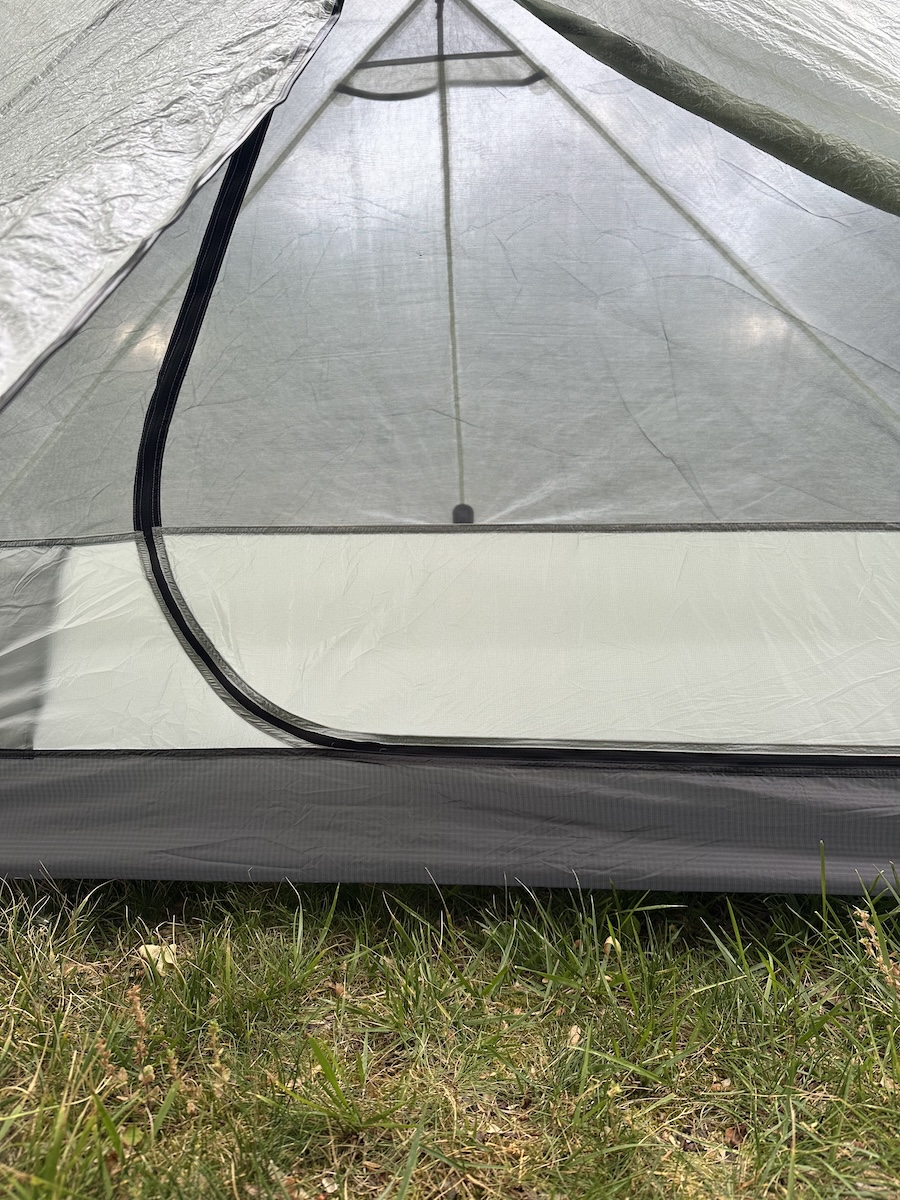
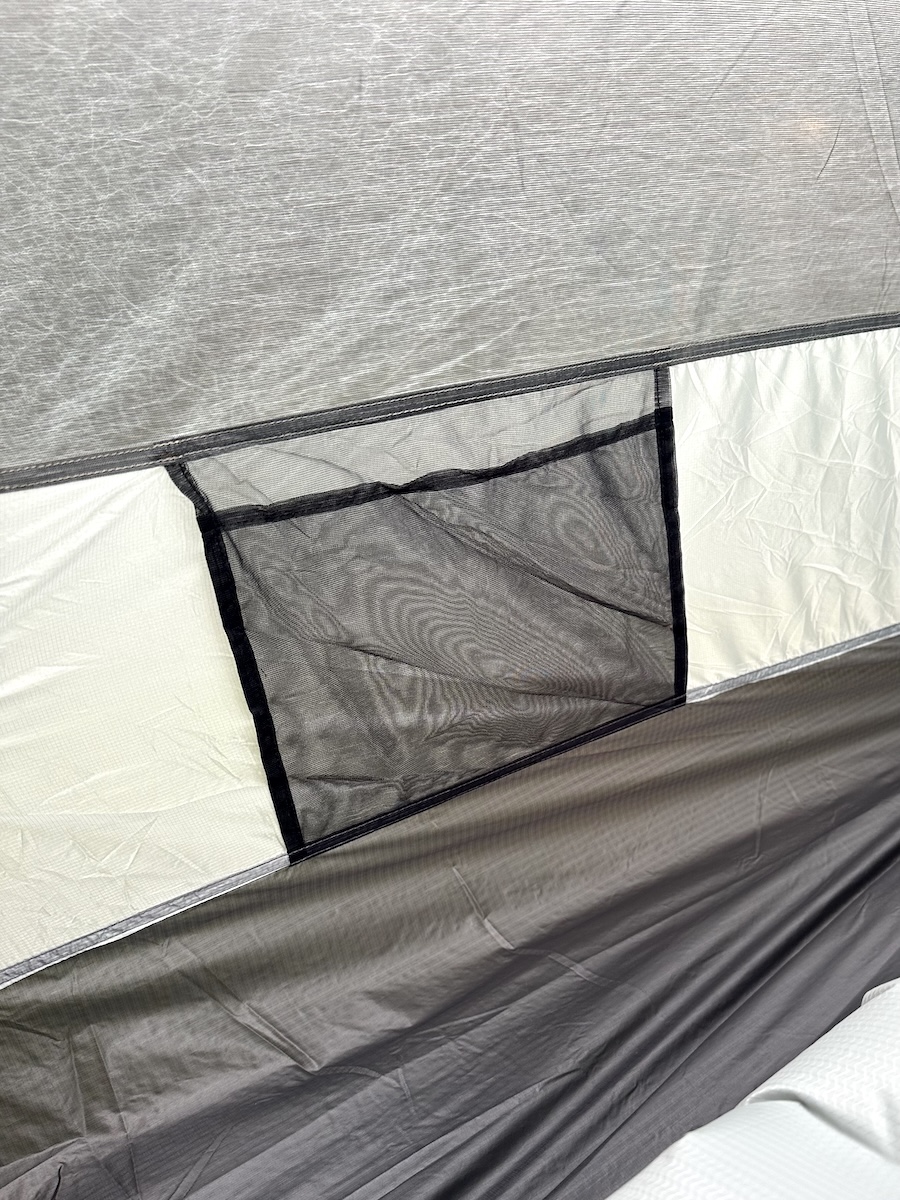
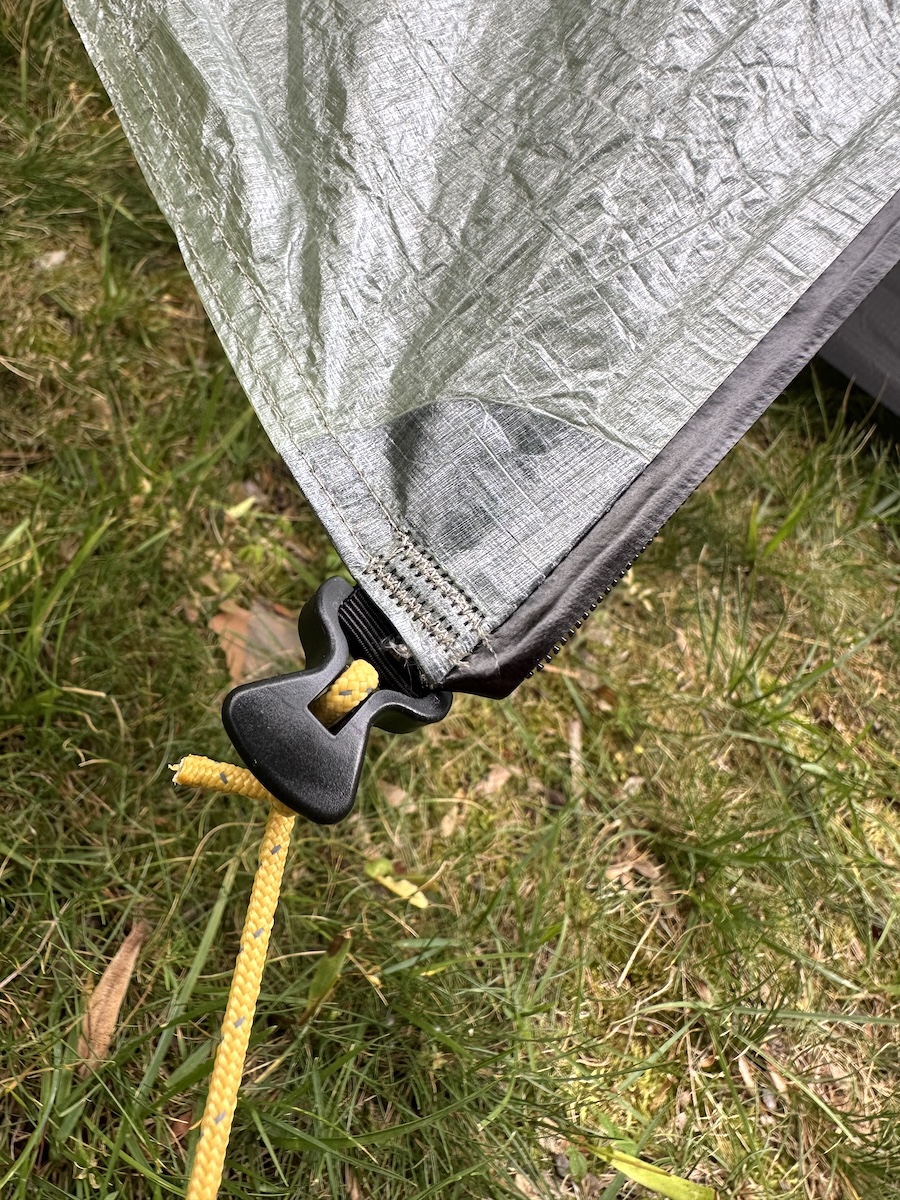
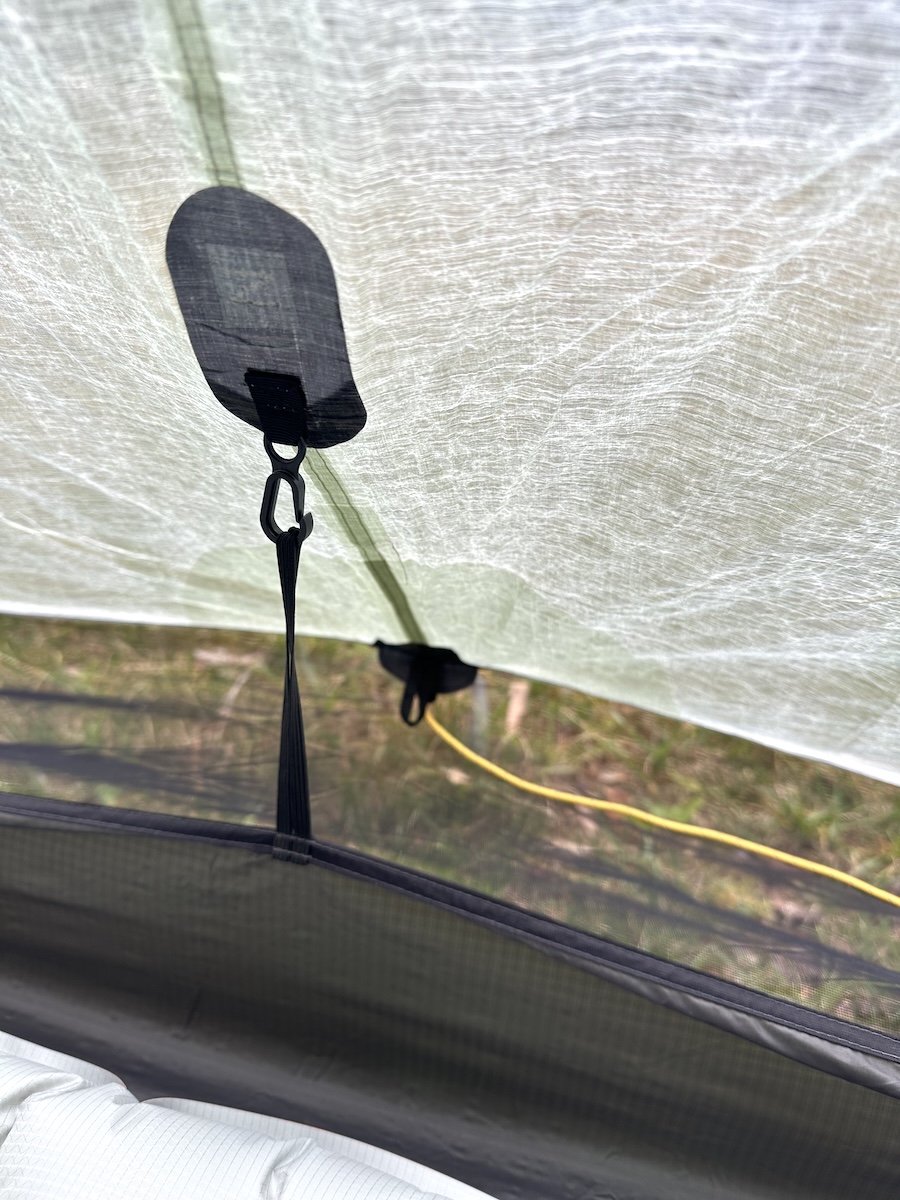
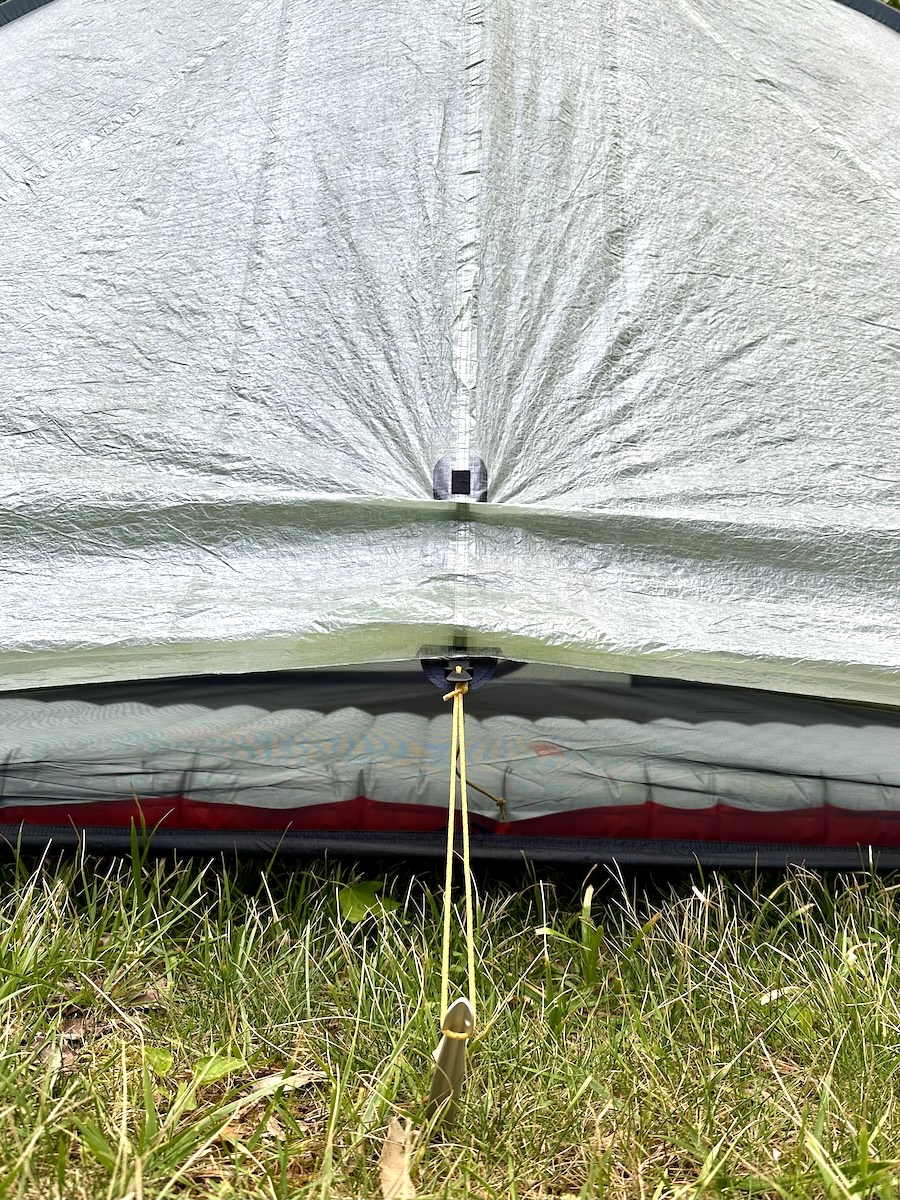
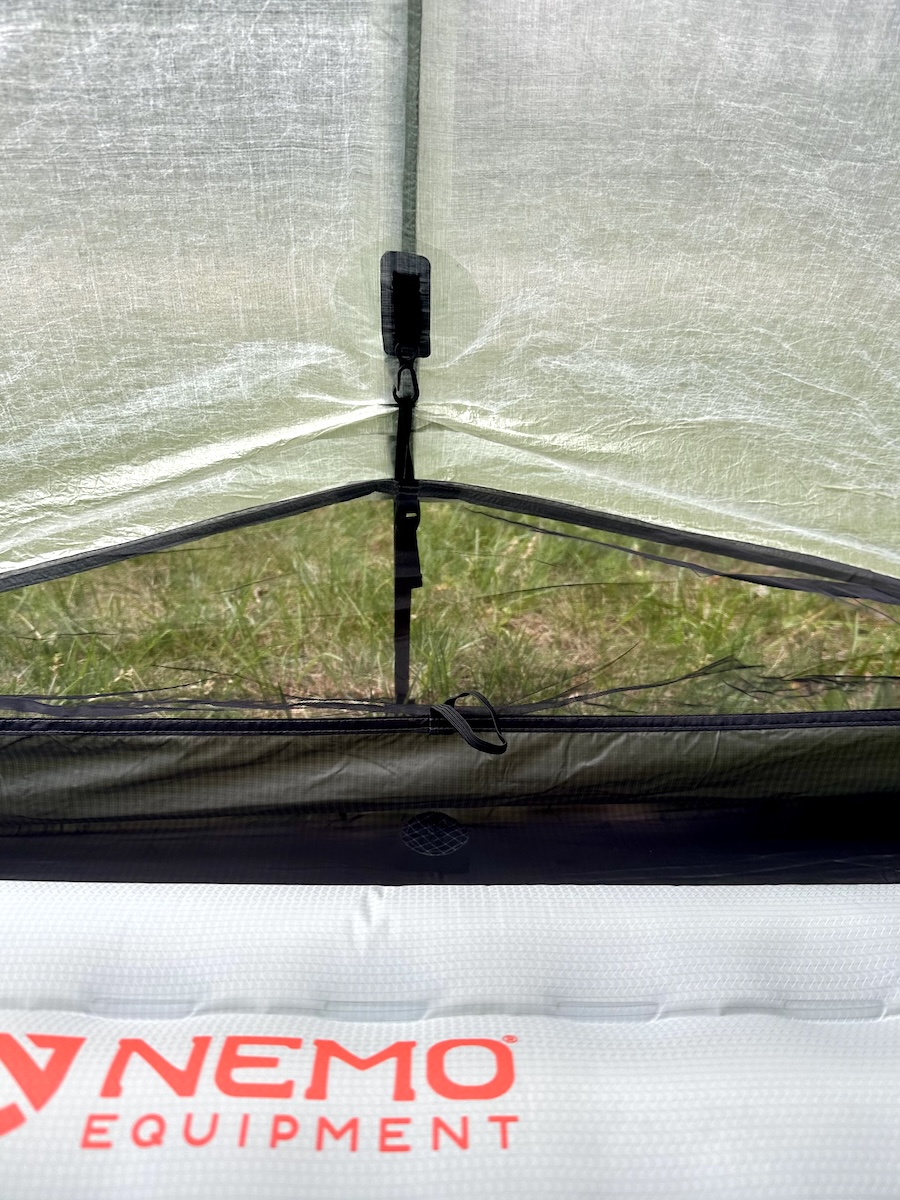
With any single wall tent condensation is inevitable and can be minimized by both site selection and ventilation. The Tarptent Rainbow Li utilizes a bottom up draft approach to let warm, moist air escape before it condenses on the internal walls. On the top of the tent, there are two adequately sized vents while lower between the bathtub floor and the tent fly, lies a 4 inch mesh section that continues around three internal sides. These three mesh sections are easily adjusted to either let air in to ventilate or cinched down to help keep warm air in. Along with the 3/4 height mesh door on the fourth wall, I’ve found that in general this design works quite well at reducing internal condensation.
For external storage, the tent has one decent-sized vestibule and doorway. I wouldn’t say the vestibule is large by any means but it is adequate. You can fit your backpack and shoes inside but not much else. In most cases, I bring my pack inside the tent and only leave my trail runners in the vestibule.
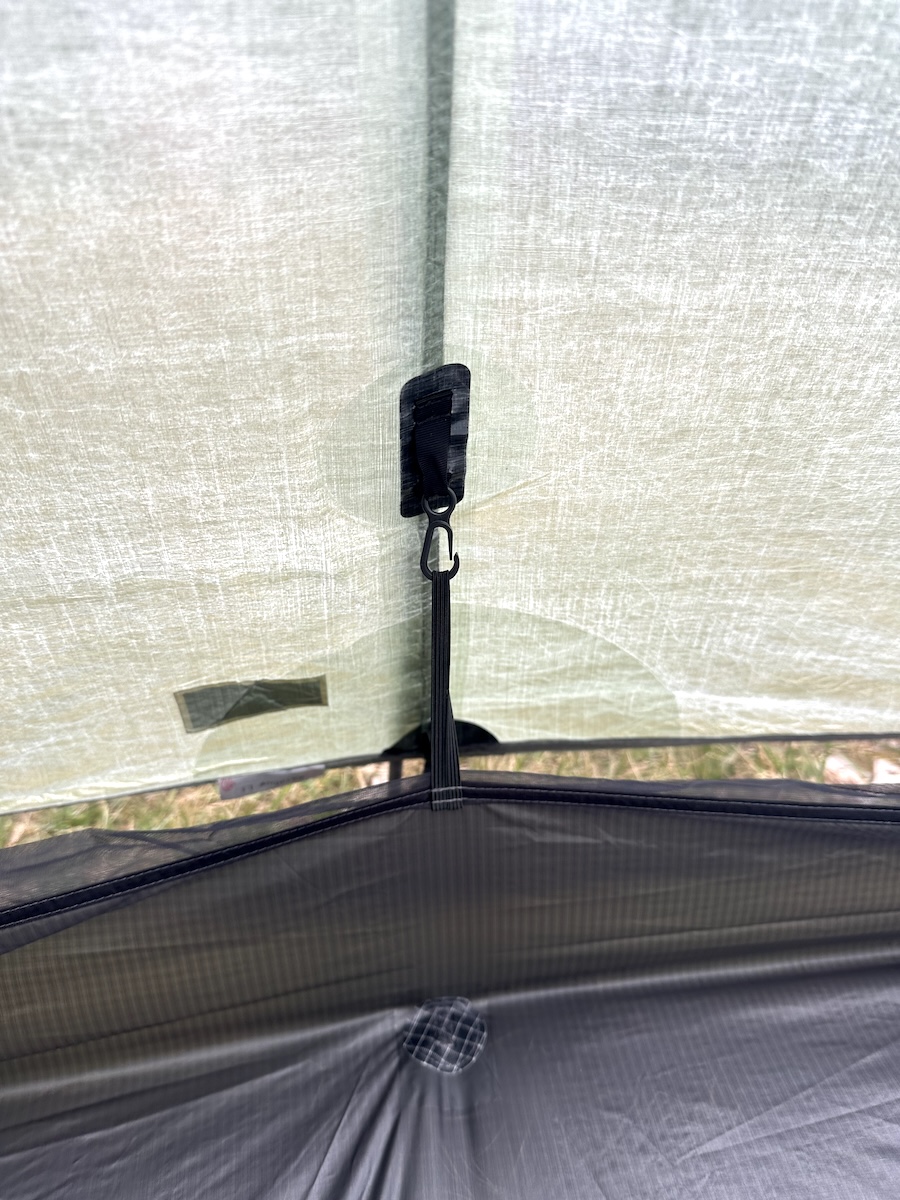
More recently, Tarptent has added magnetic door fasteners and a second zipper to the outer door so that it can be zipped from the top allowing more ventilation while keeping the doorway partially closed. These are two new features that I fully appreciate. I strongly disliked the old hoop and clip closure as I found it finicky to handle one handed. The new magnetic doors are effective, lightweight and easy to fasten.
A couple things I would change
The Tarptent Rainbow Li is almost perfect, I do however have two nitpicks.
Other ultralight tents like the Zpacks AltaPlex and Durston X-Mid Pro 1 include a DCF stuff sack that is shorter and wider allowing the tent to be stored horizontally in my pack. The Tarptent Rainbow Li comes in a long, narrow, silnylon stuff sack. There is no way it will fit horizontally in my pack and because of the DCF, I can’t simply remove the poles and stuff it tighter in the stuff sack – DCF requires the fold and roll technique to extend the life of the fabric. This leaves me with the problem that I need to purchase a new DCF stuff sack in a different shape or either store the tent vertically inside or outside my pack. I much prefer keeping my tent inside my pack to protect it better and keep it dry during afternoon storms.
Secondly, I was torn between the sil poly version and the DCF especially given the price difference. It was pretty painful to spend an extra $340 – more than doubling the price of the regular Rainbow – to save 180g. Thats quite an expensive leap where I may be able to find other ways to save weight.
In the end, neither was a deal breaker and I took the plunge.
Who is the Tarptent Rainbow Li for?
Tarptent seems to get overlooked in the thru hiking world of Durston, Hyperlite Mountain Gear and Zpacks even though they’ve been producing quality, US made tents since at least 2011 when I purchased my first one. The Tarptent Rainbow Li isn’t going to be the lightest tent but there is definitely a market for it.
I find that this tent is best suited for
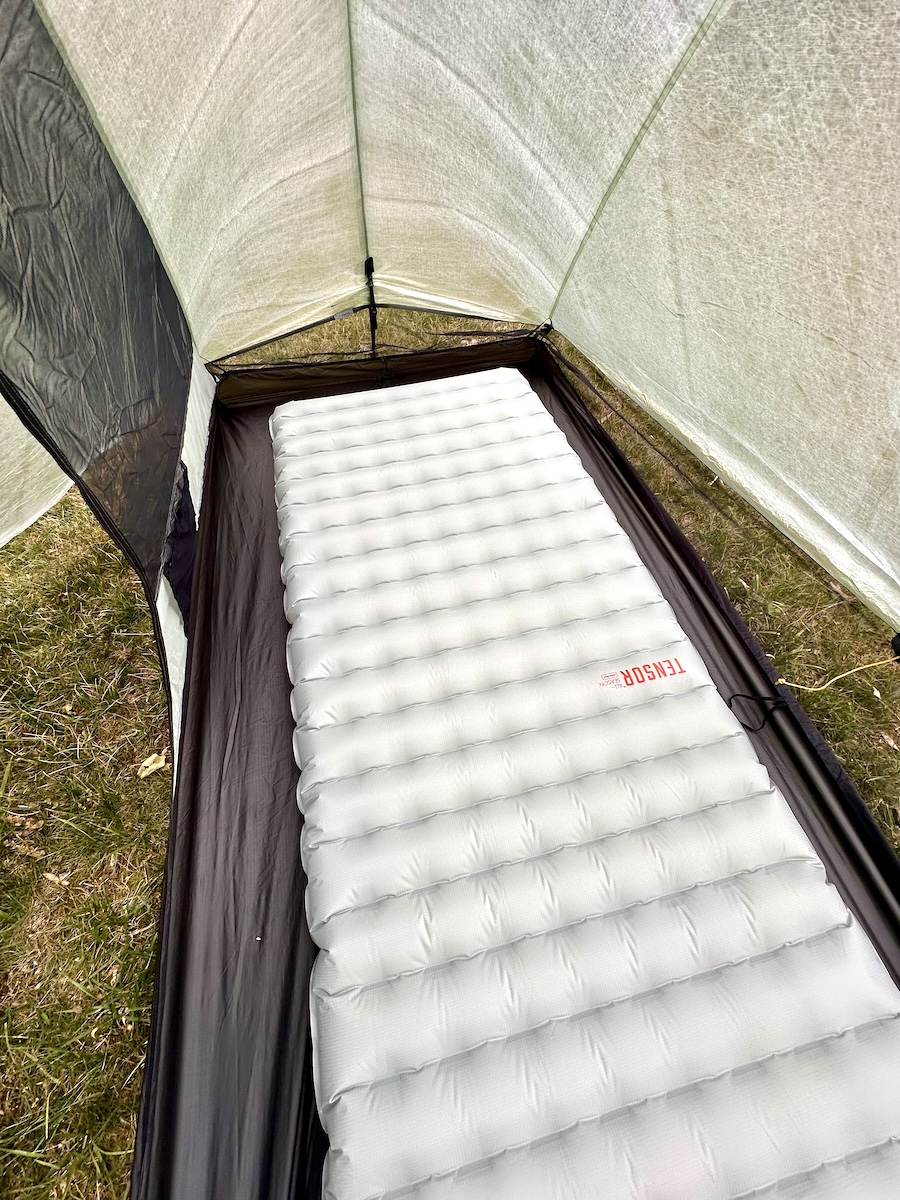
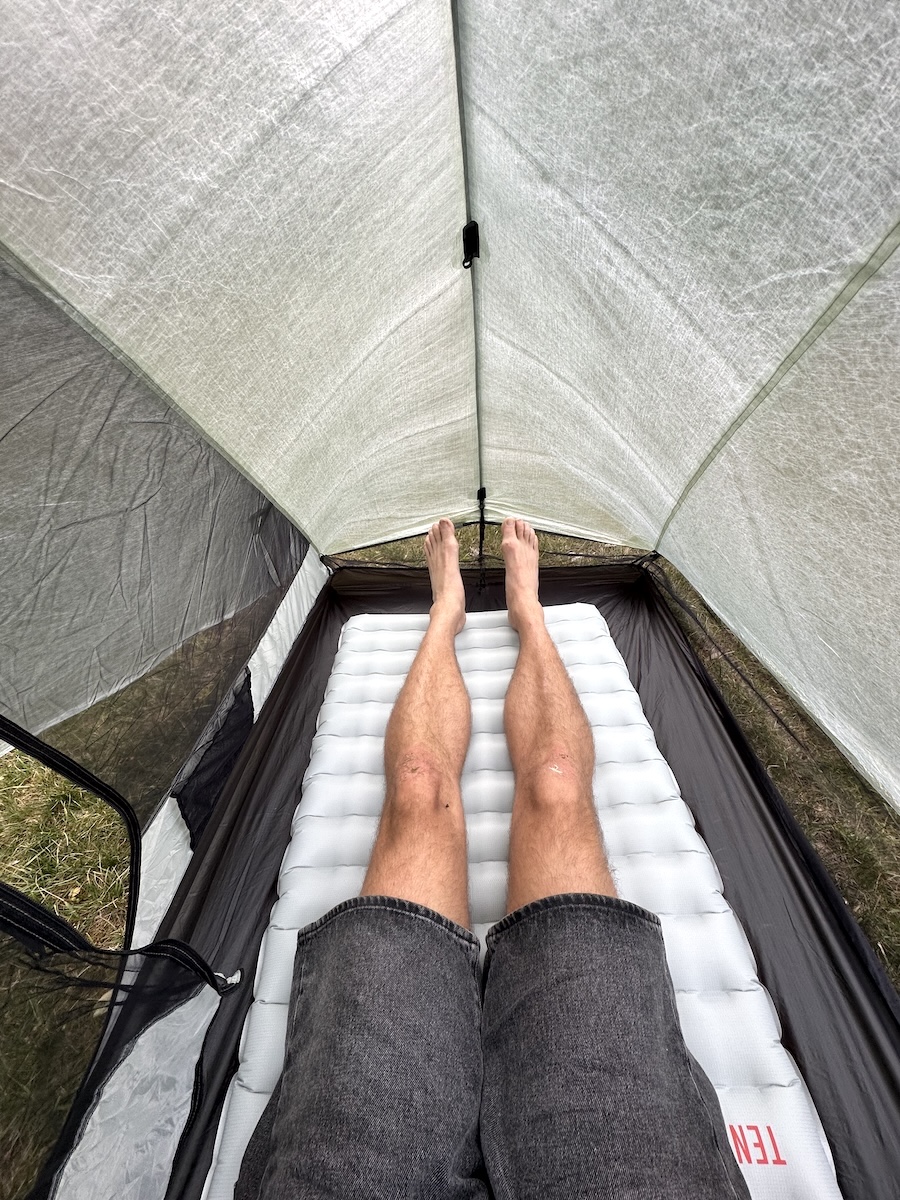
- Tall hikers who want to easily fit a long, wide sleeping pad inside and still not touch the walls with their head or the foot box of their sleeping bag.
- Ultra light hikers who value comfort and space in a smaller footprint.
- Hikers who don’t always carry trekking poles but appreciate the versatility of the free standing option when they do have their poles.
This is the type of tent that you can spend a rainy morning in without feeling claustrophobic.
Would I buy the Tarptent Rainbow Li again?
This is my third Tarptent Rainbow although it is my first Lithium version. The Rainbow series is my single favorite piece of gear that I’ve ever purchased. I’ve spent a lot of time in these tents and traveled all over the US and Europe with it.
I do have a slight case of buyers remorse. The tent is excellent—but may be overkill unless you’re actively thru-hiking or counting grams aggressively. The fact is that I do not have a thru hike planned and I think the polysil version is still better suited for me right now.
With the nature of the DCF that requires the fold and roll technique instead of simply stuffing it tightly in a sack, coupled with the higher price tag, I can’t help but feel concerned about potentially damaging my new tent.