The best way to stay hiker fit is to hike, but that’s not always possible. A lot of us have full time jobs, school, children, or don’t live so close to mountains. We can’t all live in Colorado, can we? There might be other obligations that prevent us from getting to the mountains on a weekly basis but that doesn’t have to prevent you from being ready to hike up and down mountains when you do get there.
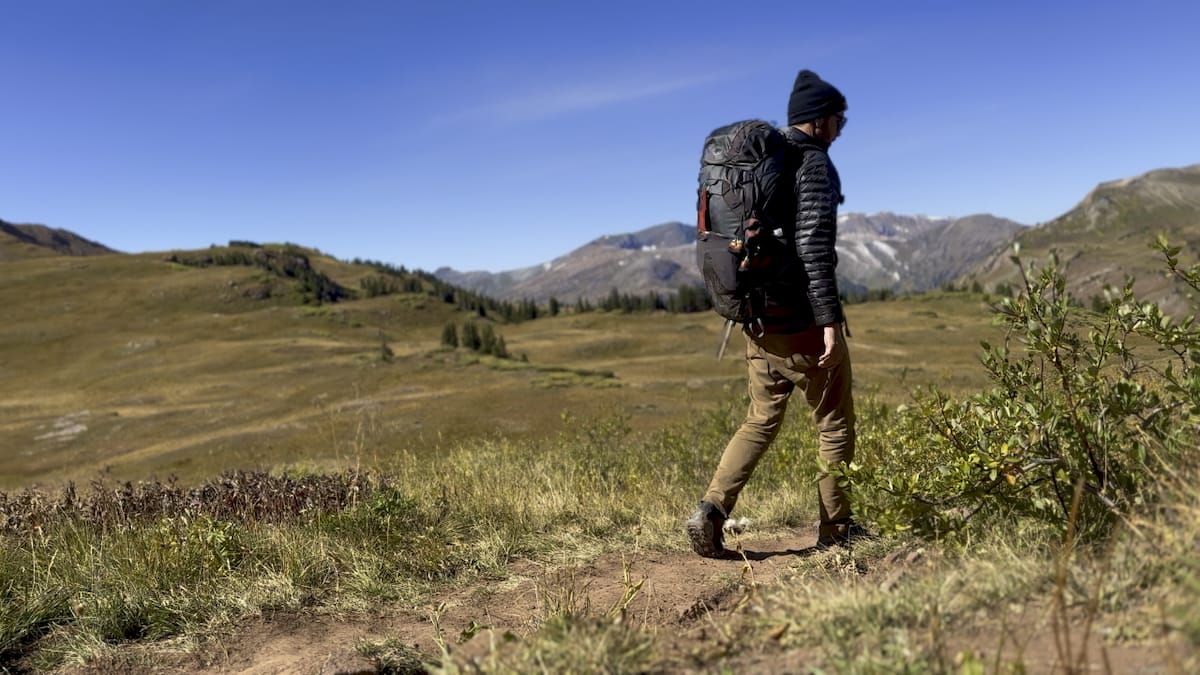
How I Stay Hiker Fit in the Flattest Country in Europe
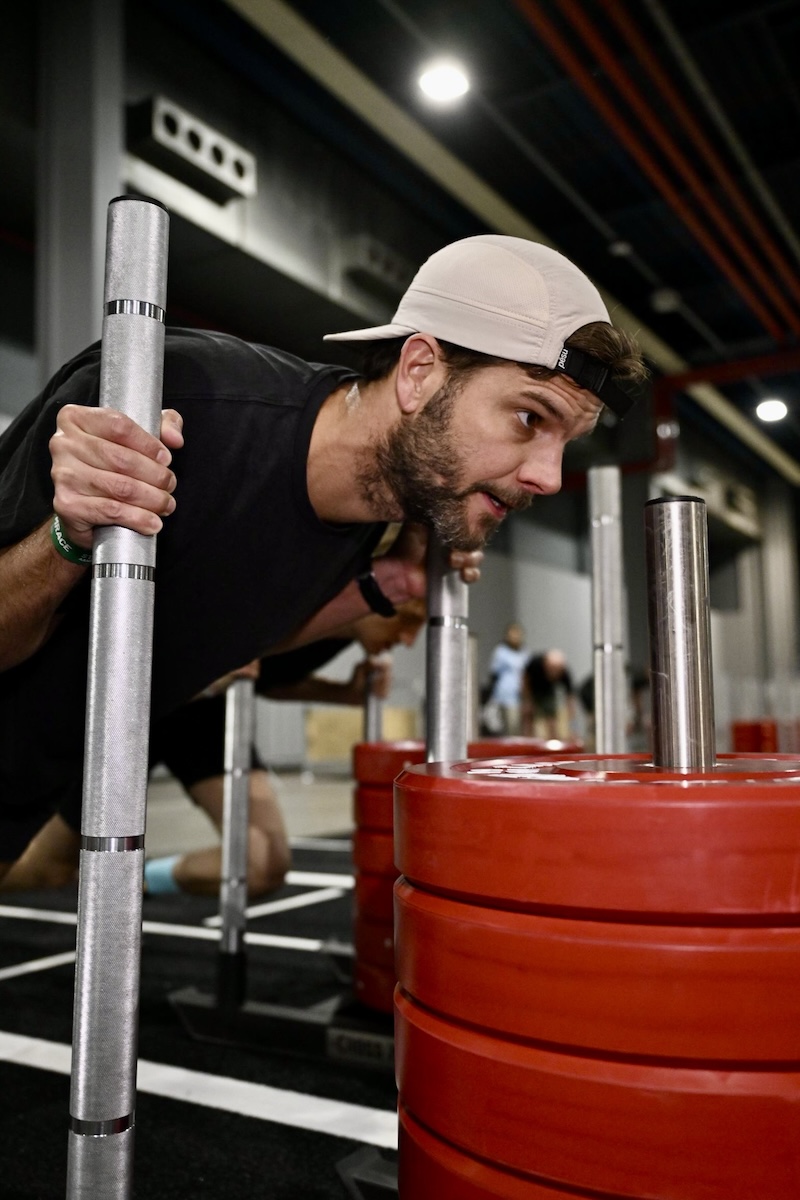
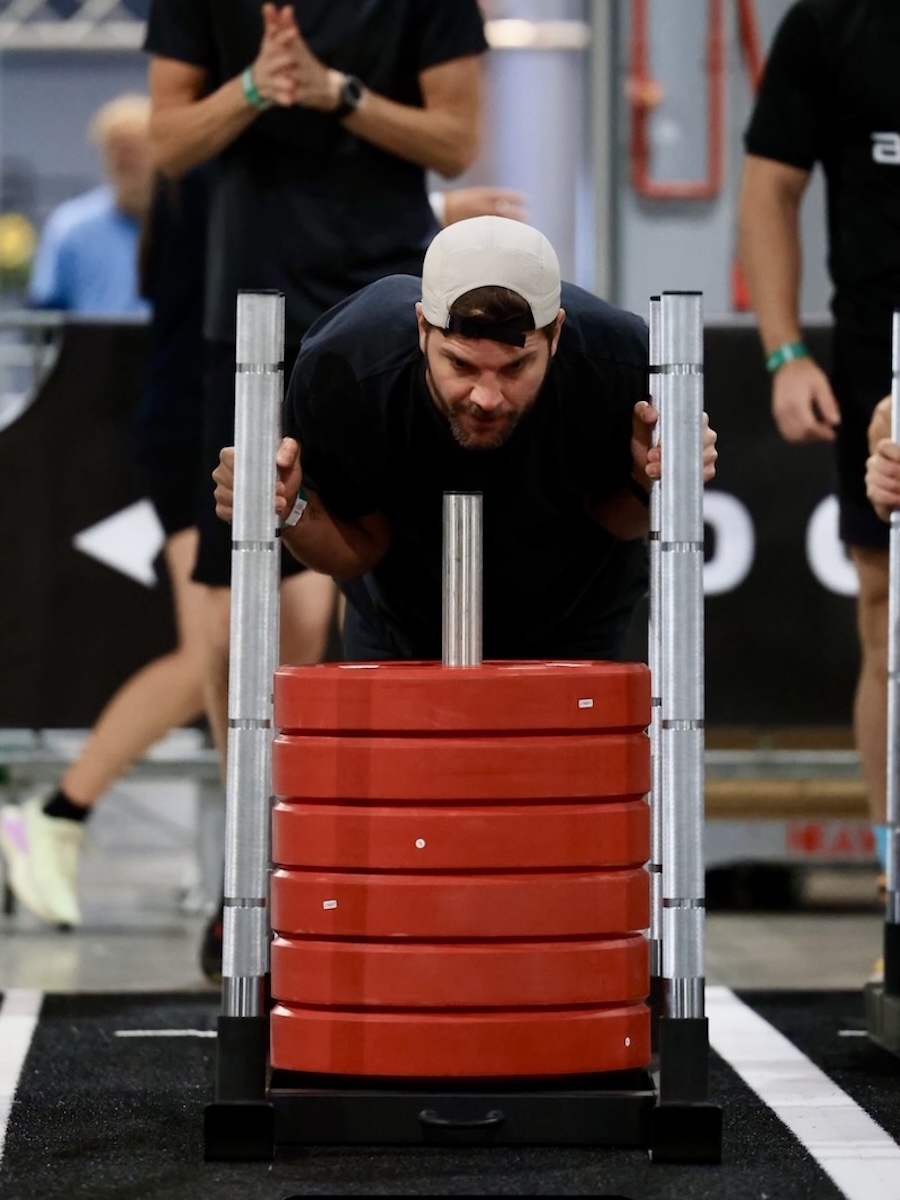
Currently I live in the Netherlands and if you aren’t aware, it is flat. Really, really flat. So how do I stay in shape for my grand adventures? For years a combination of CrossFit and running worked well for me. More recently I’ve shifted to training for Hyrox races, and honestly it might be even better hiking preparation. The mix of running intervals, sled pushes, walking lunges, and farmer carries is about as close to hiking specific fitness as you can get in a gym. Moving weight while tired is exactly what a big mountain day feels like. Beyond that, I run two to three times a week for a total of 20km (about 12 miles), play soccer with the kids, and walk the dog daily.


Run!
One of my other passions is running. Running is a great way to improve your VO2 max and endurance making those long days on the trail, carrying a heavy pack much more enjoyable. Bonus points if you can run trails nearby even if there isn’t much elevation change. Trail running incorporates uneven surfaces, which can improve balance, agility, and ankle stability – all crucial skills for hiking.

High Intensity Interval Training
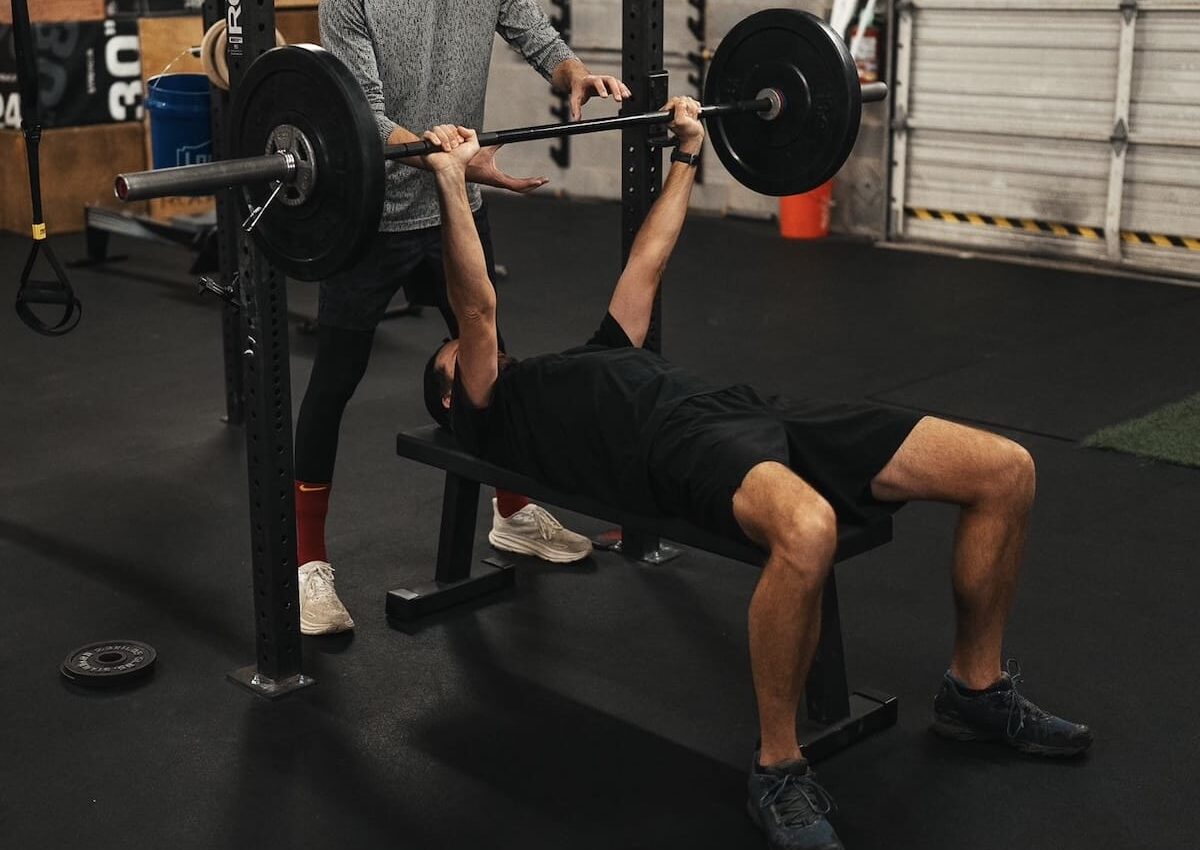
Workouts like CrossFit focus on full body strength and conditioning, including the core and lower body strength that hiking demands. Exercises like box jumps and plyometrics translate directly to uphill climbs and navigating challenging terrain. According to healthline.com, this type of high intensity interval training (HIIT) can build strength, improve aerobic conditioning and VO2 max, sharpen agility, balance, and flexibility, and help manage weight.
Hyrox training falls into this same category, with the bonus that the workouts mirror hiking movements like lunges, step ups, and loaded carries. I made the switch from CrossFit to Hyrox mostly because I enjoy running, and Hyrox builds its workouts around it. What kept me coming back to CrossFit for years was the community: I only had to show up and be told what to do. If accountability is what you struggle with, a class based program might be exactly what you need.


Rucking: Train With a Loaded Pack
Before my Appalachian Trail thru hike, I loaded my Osprey Exos 48 with 30lbs and climbed the nearest mountain, or when that wasn’t possible, flights of stairs. Some days I took the loaded pack to the YMCA, set the treadmill incline to max, and walked for an hour or two. There’s a name for this now: rucking. It’s the single most hiking specific training you can do because it trains the exact muscles, joints, and posture you’ll use on trail. Start with 10 to 15lbs and build up. Your shoulders and hips need time to adapt to the load just as much as your legs do. It’s the most direct way to stay hiker fit between trips.
My Weekly Training Schedule
- Monday: Rest or dog walk
- Tuesday: Easy run, 5 to 6km
- Wednesday: Strength session
- Thursday: Run, 8km
- Friday: Strength session
- Saturday: Rest or dog walk
- Sunday: Hyrox Training (90 minutes, the hardest session of my week)
In the end, find an activity you enjoy, whether it’s Hyrox, CrossFit, running, or something else entirely. Stay consistent and you’ll stay hiker fit and ready for your next adventure.
FAQ
Related Articles

This is my summer backpacking gear list. The kind of backpacking checklist for when temps won’t drop below 10c | 50f degrees. For the east coast of the ...
Through thousands of miles on trail, I've learned what works and what doesn't when it comes to hiker foot care. Blisters, hot spots, and black toe nails ...

I’ve been using trekking poles for a number of years including on 3 long trails and numerous “shorter” hikes. The Black Diamond Alpine Cork Trekking Poles in particular have ...

In 2009, my girlfriend gifted me the REI Flash backpack, which after a test run in the Linville Gorge Wilderness, just didn't feel quite right. I discovered it was ...
Have you ever noticed that the vast majority of long distance hikers use a very specific tall, skinny water bottle with a blue label on the side? ...

The best way to stay hiker fit is to hike, but that’s not always possible. A lot of us have full time jobs, school, children, or don’t live ...